
How to Save Money on a Low Income (Proven Ways)
💡 Quick Reality Check
If saving money feels impossible, it’s not because you lack discipline — it’s because you don’t yet have a system controlling your money.
👉 Fix It Now →Real people. Real budgets. Real savings. Real progress.
Millions of families build savings on low incomes using simple, proven systems.
📘 In This Guide 👇
- Introduction to Saving Money on a Low Income (What You Need to Know)
- Why Saving on a Low Income Feels So Hard
- The Money Mindset That Makes Saving Possible
- How to Cut Your Food Budget Without Starving
- Cutting Your Monthly Bills
- Transportation and Maintenance
- Lifestyle Adjustments That Protect Your Money
- Smart Systems That Force You to Save
- Increase Income to Make Saving Easier
- Long-Term Financial Stability
- Frequently Asked Questions
- How to Save Money on a Low Income (Final Action Plan)
How to Save Money on a Low Income (Step-by-Step Plan)
If you want to save money on a low income, follow this exact system. This removes confusion and gives you a clear starting point.
- Track your expenses for 30 days – Know where your money is going
- Cut one major expense immediately – Food, subscriptions, or transport
- Save a small fixed amount first – Even $5–$10 per week
- Use a budgeting system – Envelope or zero-based budget
- Increase your income gradually – Add a side hustle
This step-by-step approach works because it creates structure instead of relying on motivation.
Introduction to Saving Money on a Low Income (What You Need to Know)
Saving money on a low income feels difficult because your income is already stretched thin across essential expenses like rent, food, and transportation. But the real problem is not just low income; it's the lack of a system.
If you're wondering how to save money on a low income, the key is not extreme frugality or cutting out everything you enjoy. It’s about building simple habits, controlling spending, and creating a system that protects your money automatically.
In this guide, you’ll learn 25 proven ways to save money on a low income, including how to cut expenses, save money fast, and build financial stability step by step, even if you're living paycheck to paycheck.
Whether you're trying to save money quickly, reduce financial stress, or finally break the cycle of being broke, these strategies are designed to work in real life.
If you’re new to budgeting, start with our simple monthly budget guide to control your money before applying these saving strategies.
This guide is based on proven saving systems used by financial counselors, nonprofit credit agencies, and long-term savers around the world.
At SmartMoneyTrek, we focus on practical personal finance systems designed for real people, especially those building stability from limited income.
Why Saving Money on a Low Income Feels Difficult (And How to Fix It)
If you feel like saving money is impossible no matter how hard you try, you're not alone. When your income barely covers essentials, saving can feel like a constant struggle.
When you're trying to figure out how to save money on a low income, understanding why it feels so difficult is the first step toward fixing it.
The Reality of Low-Income Saving
Studies consistently show that nearly 40% of households struggle to cover a $400 emergency without borrowing. This is not a discipline issue — it is a system issue.
Low-income households face three constant pressures:
- Rising food, fuel, and utility costs
- Rent and loan payments that never pause
- Emergencies that wipe out what little is saved
This creates what economists call a scarcity cycle, where you are always reacting to financial problems instead of planning ahead.
The key to breaking this cycle is not willpower — it is structure. When you create systems that control how your money is used, saving becomes easier even on a small income.
Instead of relying on leftover money, you need a system that:
- Automatically sets aside savings first
- Controls spending in weak areas
- Prevents small expenses from draining your income
If you want to stop living paycheck to paycheck, the solution is not earning more first; it is controlling what you already earn.
Many people struggle to build savings because debt payments consume their income. If this sounds familiar, learn how to pay off debt faster without sacrificing your lifestyle and free up room in your budget.
In the next section, you'll learn the exact mindset and systems that make saving possible; even on a low income.
Saving money works best when you are tracking every dollar with a monthly budget. For even better control, combine this with a zero-based budget to ensure every dollar is assigned a job.
If you're wondering how to save money on a low income without extreme sacrifices, the strategies below are designed specifically for households earning modest or unpredictable income.
The Money Mindset That Makes Saving Possible on a Low Income
Saving money on a low income requires more than just cutting expenses; it requires the right mindset. When your income is limited, how you think about money and manage your habits determines whether you build savings or stay stuck.
If you're working hard to save money on a low income, these simple mindset shifts will help you stay consistent, control spending, and build savings over time.
1. Pay Yourself First (Reverse Budgeting)
Most people save whatever is left after spending. That usually equals zero.
Instead, reverse the process.
The moment your income arrives, automatically move a small amount, even $5 - $10 into a separate savings account.
Treat savings like rent or electricity: It must be paid first.
To take this further, use a zero-based budget to assign every dollar a clear purpose and prevent overspending.
This system forces your lifestyle to adjust around your savings instead of sacrificing savings for spending.
2. Use the 72-Hour Rule for Purchases
Impulse buying destroys more budgets than poverty ever could. Whenever you want to buy something that is not essential:
- Wait 72 hours
- If you still want it, buy it
- If the desire fades, you just saved 100% of that money
Most wants are emotional, not practical.
3. Track Every Expense for 30 Days
You cannot fix what you cannot see. For one month, write down every single expense — transport, food, data, snacks, subscriptions, tips. You will discover where money is quietly disappearing. These hidden leaks are where your savings are hiding.
If you don’t yet have a simple tracking system, follow our step-by-step budgeting framework to see where your money is leaking and how to plug those holes.
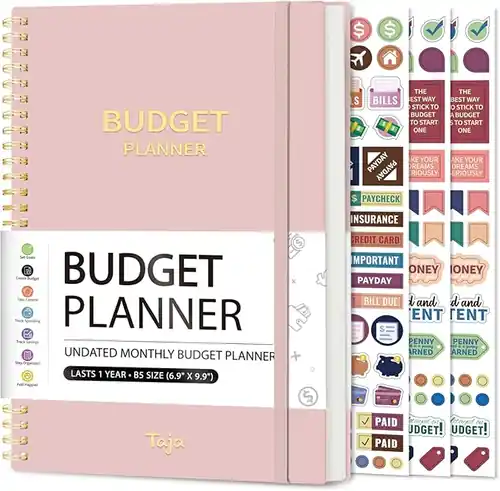
Clever Fox Budget Planner – Take Control of Your Money
If you struggle to track spending, this planner gives you a simple system to organize your money, control expenses, and build consistent savings — even on a low income.
- ✔ Track income, bills, and daily expenses
- ✔ Build a consistent saving habit
- ✔ Perfect for beginners and low-income budgeting
How to Cut Your Food Budget Without Starving
Food is the largest flexible expense for most people, which also makes it the greatest opportunity for meaningful savings. To achieve long-term financial efficiency, the following strategies should be taken seriously.
4.Compare Unit Prices, Not Package Prices
The cheapest-looking item is often not the cheapest. Always check the price per unit (per kg, per liter, per ounce). This shows the real cost and helps you avoid marketing tricks.
5. Switch to Generic Brands
For rice, flour, sugar, oil, detergent, medicine, and cleaning products, generic brands work the same. Most are made in the same factories as name brands. You can reduce grocery bills by 20–30% without changing quality.
6. Practice Inventory Cooking
Before going shopping:
- Check your pantry
- Check your fridge
- Build meals around what you already own
The food you throw away is the most expensive food you ever bought.
7. Use Frozen and Seasonal Foods
Out-of-season fresh produce is typically more expensive due to higher transportation and storage costs, and it often contains fewer nutrients because it is harvested early and travels long distances before reaching consumers.
In contrast, frozen fruits and vegetables are picked at peak ripeness and flash-frozen to preserve their nutritional value. They are usually more affordable, have a much longer shelf life, and significantly reduce food waste, making them a more cost-effective and practical choice for most households.
To maximize food savings long-term, learn how to create a realistic monthly budget that keeps grocery spending controlled every month.
Most people don’t realize this: food waste + unplanned shopping is where 20–40% of income quietly disappears.
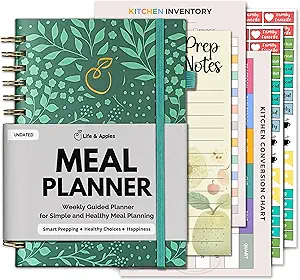
Weekly Meal Planner Notebook – Cut Grocery Spending Fast
One of the easiest ways to save money is to plan meals ahead. This planner helps you avoid impulse buying, reduce food waste, and stay within budget every week.
- ✔ Plan meals for the entire week
- ✔ Reduce grocery bills instantly
- ✔ Avoid takeout and impulse spending
| Habit | Monthly Savings Potential |
|---|---|
| Cooking at home | $100 – $300 |
| Canceling subscriptions | $15 – $60 |
| Negotiating bills | $20 – $100 |
Cutting Your Monthly Bills
Fixed expenses can quietly consume a large portion of your income if they are not carefully controlled. To protect your finances and free up more money, it is essential to identify and eliminate the following common leakages:
For households saving money with low salary, fixed expenses often consume the largest share of income. Reducing these recurring costs creates immediate breathing room in your budget.
8. Kill “Vampire Power”
TVs, decoders, chargers, and computers consume electricity even when off. Use power strips and switch them off when not in use. This can reduce your electric bill by 5–10%.
9. Lower Your Water Heater Temperature
Most heaters are set too high. Lowering it to 120°F (49°C) saves energy without affecting comfort.
10. Negotiate Your Phone, Internet, and Cable
Contact your service provider and explain that you are considering canceling due to high costs. Ask whether any lower-priced plans, discounts, or promotional offers are available. Many companies would rather reduce your bill than lose you as a customer, and this simple conversation can often lead to savings of 10–30% on your monthly charges.
11. Cancel Unused Subscriptions
Review all your subscriptions including streaming services, mobile apps, software, and gym memberships and cancel anything you have not actively used in the past 30 days. These small monthly charges add up quickly, and eliminating just $15 per month can save you $180 over the course of a year.
High monthly bills often lead to debt. If you're struggling with this, read our debt and bill reduction strategies to stop interest from draining your income.
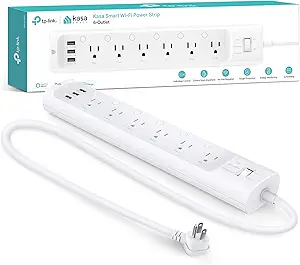
Smart Power Strip – Stop Wasting Money on Electricity
Many devices drain electricity even when turned off. This smart power strip cuts power automatically, helping you reduce your electricity bill without changing your lifestyle.
- ✔ Eliminates “vampire power” waste
- ✔ Reduces monthly electricity bills
- ✔ Works automatically in the background
Transportation and Maintenance
Transportation and maintenance decisions have a major impact on your long-term expenses. Choosing cost-efficient travel habits and keeping your assets well-maintained can significantly reduce unnecessary spending and protect your budget over time.
12. Preventive Maintenance Saves Thousands
Neglecting routine vehicle maintenance such as oil changes, tire inspections, and brake checks can lead to serious mechanical failures that are far more expensive to fix. Setting aside a small monthly amount for regular maintenance helps prevent these costly breakdowns and protects you from unexpected financial shocks.
13. Walk or Combine Short Trips
For short errands under two miles, consider walking instead of driving. When you do need to drive, combine multiple trips into one to reduce unnecessary mileage. Fuel, maintenance, and vehicle wear add up faster than most people realize, and minimizing driving can significantly lower your transportation costs over time.
Lifestyle Adjustments That Protect Your Money
The way you live on a daily basis directly affects how much money you are able to save and grow. The following lifestyle adjustments help reduce unnecessary spending, prevent financial leaks, and protect your long-term financial stability.
14. Buy Second-Hand, Not Cheap
Buying well made used items often provides better value than purchasing cheap, low-quality new products. Because they last longer and perform better, you avoid the costly cycle of frequent replacements sometimes called the “poverty trap” that slowly drains your money over time.
15. Use the Library Instead of Paying
Public libraries provide a wide range of free resources, including books, audiobooks, movies, internet access, and even tools in many communities. Taking advantage of these services, you can replace or reduce paid subscriptions like Netflix, Audible, and rental services, allowing you to enjoy entertainment and information without the ongoing monthly cost.
16. Use Potluck Instead of Eating Out
Spending time with friends and family does not have to involve expensive restaurant outings. Hosting or attending potluck gatherings provides the same sense of connection, fun, and enjoyment while costing far less making it a smarter and more sustainable way to socialize without straining your budget.
17. Try One No-Spend Weekend Per Month
Skip shopping and dining out for the weekend and rely only on what you already have at home. By doing this, most households typically save between $50 and $200 in just two days money that would otherwise be spent on impulse purchases, takeout, and unnecessary expenses.
Smart Systems That Force You to Save
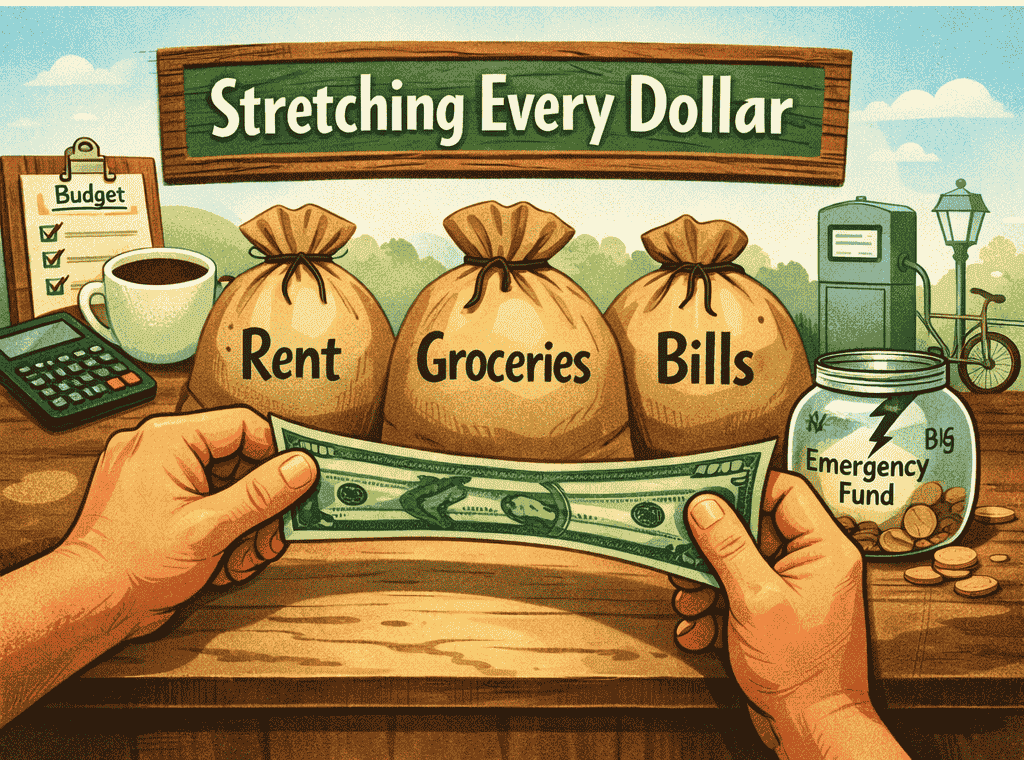
Smart Systems That Force You to Save means setting up your money so saving happens automatically before you can spend it. Instead of relying on self-control, these systems move money into savings by default, making saving the easy and natural outcome.
18. Use a Separate Savings Account
Never mix savings with spending money.
Out of sight = harder to touch.
Keep your savings completely separate from your everyday spending money. When your savings are in a different account and not easily visible, you’re far less likely to dip into them, because money you don’t see is much harder to spend.
19. Use the Envelope Method for Weak Areas
If you tend to overspend on categories like food, mobile data, or entertainment, try using the cash-envelope method. Set aside a fixed amount of cash for each category and use only that money. Once the envelope is empty, spending in that area stops. This simple system creates immediate discipline and makes it much easier to control your expenses.
If you're new to this method, learn how it works in detail in our envelope budgeting system guide.
If you struggle with overspending, this is the system that forces discipline instantly.

Cash Envelope Budget System Wallet
This system forces discipline by limiting spending. When the money in each category is gone, you stop spending — making it one of the most effective budgeting tools available.
- ✔ Stop overspending instantly
- ✔ Stay within budget easily
- ✔ Perfect for food, transport & daily expenses
20. Build an Emergency Fund
If debt is currently blocking your ability to save, read our detailed guide on pay off debt faster without sacrificing your lifestyle.
Having even $500 set aside as an emergency fund can stop you from needing payday loans, overdrafts, or last-minute borrowing when unexpected expenses hit. If you’re trying to build savings from scratch, an emergency fund should be your first milestone. It protects you from setbacks and prevents small problems from turning into long-term debt.
Going into debt for emergencies wipes out your ability to save and keeps you stuck in a financial stress cycle. To understand how to escape that cycle, explore our how to escape the debt cycle.
Increase Income to Make Saving Easier
Saving money becomes much easier when you earn more. While cutting expenses helps, increasing your income gives you greater flexibility, faster progress, and more room to build a secure financial future without feeling deprived.
21. Start a Side Hustle
Freelancing, online jobs, tutoring, selling items, or doing delivery work can all create an extra stream of income.
Not sure where to start? Explore these beginner-friendly side hustles to start earning extra income quickly.
Even a small side income can significantly increase how fast you are able to save and reach your financial goals.
22. Sell What You Don’t Use
Unused items like clothes, phones, tools, and furniture often sit around taking up space, but they still have value. Selling these items turns clutter into extra cash that can be used for savings, bills, or emergencies.
23. Upgrade Your Skills
Better skills = higher pay.
Improving your skills increases your earning potential, opening the door to better-paying opportunities. To learn practical ways to grow your income, explore our real ways to increase your income.
How to Save Money on a Low Income Weekly
Saving weekly is easier than saving monthly because it feels smaller and more manageable.
- Save a fixed amount weekly ($5–$20)
- Have at least one no-spend day per week
- Cook meals at home during weekdays
- Track weekly spending and adjust fast
Weekly consistency builds strong financial habits over time.
Long-Term Financial Stability
Long-term financial stability is not about quick wins or temporary sacrifices, it is about building habits and systems that keep your money working for you year after year.
By making smart decisions today and planning for the future, you create a strong financial foundation that protects you from unexpected expenses, reduces stress, and gives you the freedom to reach your goals.
24. Review Your Budget Every Month
Your expenses change over time, so your budget should adjust with them.
Use our monthly budget plan that actually works to stay organized and in control.
25. Be Patient and Consistent
Wealth is not built in months, it is built through consistent habits. Saving $3-$4 a week adds up to about $170–$200 a year. Small, steady actions create powerful financial futures.
Learn More on SmartMoneyTrek
Explore our core financial guides:
- Save Money – proven ways to cut bills and build savings
- Budgeting – Tools and strategies to control your money
- Make Money – real side hustles and income ideas
- Loans & Debt – How to borrow wisely and eliminate debt
Frequently Asked Questions
Yes. Even small consistent savings create financial stability over time when combined with structured budgeting.
Start with any amount, even 5% or a fixed small number like $10 per paycheck. Consistency matters more than size.
Cutting expenses helps, but increasing income accelerates saving and builds long-term financial security.
Cut your biggest expenses first, stop unnecessary spending, and save a small fixed amount immediately after receiving income.
Track your spending, reduce one major cost, and save small consistent amounts weekly to build momentum.
Choose the system that fits your lifestyle and start saving immediately.
📊 Choose the Right Tool Based on Your Biggest Money Problem
| Product | Best For | Key Benefit | Rating | Check Price |
|---|---|---|---|---|
| Clever Fox Budget Planner | Beginners | Full money tracking system | ⭐⭐⭐⭐⭐ | View |
| Meal Planner Notebook | Food Budgeting | Reduces grocery spending | ⭐⭐⭐⭐⭐ | View |
| Cash Envelope System | Overspenders | Forces spending discipline | ⭐⭐⭐⭐⭐ | View |
Real Example: Saving Money on a Low Income
Here’s a realistic example of how saving works on a low income:
- Save $10 per week → $40/month
- Reduce food spending → save $50
- Cancel subscriptions → save $20
Total monthly savings = $110
That becomes $1,320 per year without increasing income.
This proves small actions create real financial progress.
Your Simple Action Plan to Start Saving Today
Now that you’ve learned the strategies, here’s a simple action plan you can follow immediately to start saving money, even on a low income.
- Start tracking your expenses today
- Cut one major unnecessary cost this week
- Save a small fixed amount immediately
- Use a budgeting system to control spending
- Stay consistent and review your progress monthly
You don’t need to do everything at once. Start small, stay consistent, and your savings will grow over time.
Many people remain trapped because they never learn how to stop living paycheck to paycheck. The strategies in this guide are designed to break that cycle permanently.
🚀 Ready to Finally Take Control of Your Money?
The fastest way to start saving consistently is to use a structured system. A simple budget planner helps you track every dollar, stay disciplined, and build real financial progress, even on a low income.
👉 Find the Best Budget PlannerReady to take control?
Pair smart saving with structured budgeting and debt strategy.
Start Budgeting SmartSaving money on a low income is not about perfection, it is about structure, discipline, and small consistent wins. Start with one strategy today. Then add another next week. Over time, small savings turn into financial breathing room and financial breathing room turns into freedom. 🚀
If debt is slowing your progress, start with our step-by-step guide on how to pay off debt faster without sacrificing your lifestyle so you can redirect more money toward savings.
Once you cut expenses, use a budgeting system to make sure that money actually stays in your pocket.
This content is for educational purposes only and does not constitute financial advice.