
How to Stick to a Budget Without Stress
💡 Quick Answer: How to Stick to a Budget
- ✔️ Use a simple budgeting system you can follow consistently
- ✔️ Set clear spending limits for each category
- ✔️ Save money first before spending on anything else
- ✔️ Track your expenses regularly to stay aware
- ✔️ Cut unnecessary costs that don’t add value
- ✔️ Control impulse spending with habits like waiting before buying
- ✔️ Automate savings and review your budget frequently
Bottom line: Keep it simple, stay consistent, and adjust when needed; not aim for perfection.

📘 In This Guide 👇
- Sticking to a Budget for Beginners
- What It Really Means to Stick to a Budget
- Start With Clear Financial Goals
- How to Stick to a Budget Successfully (Step-by-Step)
- Why People Fail to Stick to a Budget
- Budgeting Tips to Help You Stick to a Budget
- Build a Realistic Budget You Can Stick To
- Budgeting Methods Comparison Table
- Beginner Budget Examples (Simple Breakdown)
- Frequently Asked Questions
- Final Thoughts: Build Consistency for Long-Term Financial Success
Sticking to a Budget for Beginners
Most people already have a budget, but they fail to follow it consistently. This is not a budgeting problem. It’s a behavior and system problem.
This guide focuses strictly on how to stick to a budget in real life using simple, repeatable systems that reduce overspending, remove friction, and build consistency over time.
If you don’t yet have a budget set up, start here: how to create a monthly budget. Otherwise, this guide will help you make your budget actually work.
What It Really Means to Stick to a Budget
Sticking to a budget is not about micromanaging every expense or eliminating everything you enjoy. It’s about creating a sustainable financial system that keeps your spending intentional and aligned with your goals.
At its core, effective budgeting means:
- Spending within clearly defined limits
- Saving consistently to build financial security
- Avoiding unnecessary or high-interest debt
- Maintaining long-term control over your finances
A well-structured budget should function as a strategic decision-making tool; not a restriction. When designed correctly, it empowers you to make smarter financial choices with confidence while still enjoying the lifestyle you value.
This guide is based on proven budgeting systems used by financial counselors, nonprofit credit agencies, and long-term savers around the world.
Start With Clear Financial Goals
To stay consistent with your budget, define a clear purpose strong enough to sustain your commitment over time. A vague intention like “spend less” lacks direction and rarely leads to lasting results. Clear financial goals, on the other hand, give your budget structure, focus, and measurable outcomes.
Strong, purpose-driven goals may include:
- Accelerating debt repayment to reduce financial burden
- Building a reliable emergency fund for unexpected expenses
- Saving strategically for major purchases or life milestones
- Working toward long-term financial independence and stability
When your budget is anchored to a specific and meaningful objective, it becomes more than a plan; it becomes a disciplined system that guides your decisions, strengthens consistency, and keeps you focused on achieving real financial progress.
Saving money works best when you are tracking every dollar with a zero-based budget.
How to Stick to a Budget Successfully (Step-by-Step)
Step 1: Understand Your Current Spending
Sticking to a budget starts with accurate financial awareness. Building a budget on assumptions often leads to gaps, overspending, and inconsistency. To create a system that works, you need a clear picture of how your money is actually being spent.
How to Audit Your Spending Effectively
- Review recent bank statements and transaction history
- Categorize expenses (e.g., housing, food, transport, subscriptions)
- Separate essential expenses from discretionary spending
- Identify recurring charges or subscriptions that add little value
This financial audit provides the insight needed to make informed decisions. By understanding your spending patterns, you can eliminate waste, optimize your budget, and create a more realistic plan that supports long-term financial stability.
learn how to track your expenses correctlyStep 2: Use a Simple Budget Structure (Don’t Overcomplicate It)
If your budget is too complex, you won’t stick to it. The goal is not perfection, but consistency. Use a simple structure that is easy to follow daily.
If you need a complete system, see: best budgeting method for beginners.
Step 3: Set Clear Spending Limits
If your budget has no defined limits, it becomes difficult to follow consistently. To make your budget effective, you need structured spending boundaries that control how your money is allocated.
Divide your income into specific categories and assign realistic spending caps, such as:
- Food and groceries
- Transportation
- Personal and lifestyle expenses
- Savings and financial goals
Once a category reaches its limit, additional spending in that area should stop. This disciplined approach strengthens financial control, reduces impulsive spending, and ensures your budget remains aligned with your overall financial goals.
If your expenses feel too high, learn how to reduce monthly expenses without sacrificing essentials.
Step 4: Automate Your Finances
Automation is one of the most effective ways to maintain consistency and stay on track with your budget. By removing the need for constant manual decisions, you reduce the risk of missed payments, late fees, and unnecessary spending.
What to Automate
- Savings transfers to build consistency and financial security
- Bill payments to avoid penalties and maintain a strong payment history
- Debt repayments to accelerate progress and reduce interest costs
When key financial activities are automated, your budget operates seamlessly in the background. This not only simplifies money management but also reinforces disciplined financial habits, helping you stay aligned with your long-term financial goals.
If you struggle to stay consistent, using a simple budgeting planner can make a big difference. It helps you track your income, control spending, and build discipline without relying on memory.
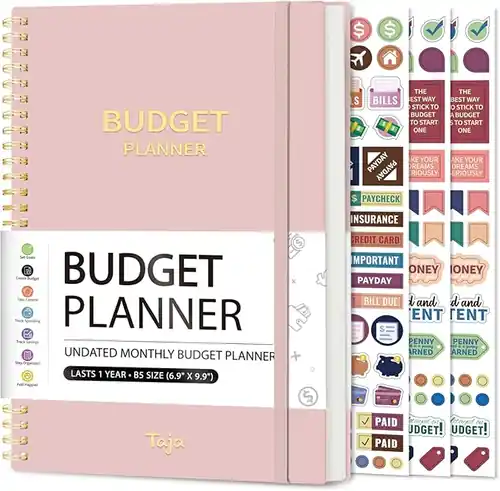
✔ Simple layout (no confusion)
✔ Helps build consistent money habits
Step 5: Track Your Spending Without Overcomplicating It
Effective budgeting doesn’t require tracking every minor expense; it requires consistent financial awareness. The goal is to monitor your spending in a way that is simple, sustainable, and focused on what truly impacts your budget.
Simple and Effective Tracking Approach
- Review your spending regularly (daily or weekly)
- Focus on key budget categories rather than small, insignificant purchases
- Compare your planned budget against actual spending
This approach allows you to identify overspending early, make timely adjustments, and maintain control over your finances without creating unnecessary complexity or burnout.
If you’re starting from zero, read our how to save money on a low income to strengthen your financial foundation.Step 6: Control Impulse Spending
Impulse spending is one of the most common reasons budgets fail. Unplanned purchases can quickly disrupt your financial plan and reduce your ability to save or meet key financial goals.
Practical Strategies to Reduce Impulse Spending
- Apply the 24-hour rule before making non-essential purchases
- Remove saved payment details from apps and online stores to create friction
- Limit exposure to unnecessary browsing and promotional triggers
Introducing small, intentional barriers helps you pause, evaluate your decisions, and avoid unnecessary expenses. Over time, this strengthens financial discipline and keeps your spending aligned with your budget priorities.
common budgeting mistakesIf you often overspend, switching to a cash-based system can instantly improve control. This method forces you to stick to limits and avoid unnecessary purchases.

✔ Prevents impulse buying
✔ Perfect for strict budgeting control
Step 7: Cut Expenses That Don’t Add Value
Effective budgeting isn’t about eliminating all spending; it’s about optimizing your expenses by removing what doesn’t contribute real value to your life or financial goals.
Common Areas to Reduce Unnecessary Spending
- Unused or low-value subscriptions and recurring charges
- Frequent small purchases that accumulate over time
- Spending habits that offer little long-term benefit
By identifying and cutting these low-impact expenses, you free up more money for savings, debt repayment, and meaningful priorities. Even small reductions, when applied consistently, can lead to significant financial improvement over time.
Step 8: Use the Envelope Budgeting Method for Strong Spending Control
If you consistently struggle with overspending, the envelope budgeting method offers a simple and highly effective way to enforce financial discipline.
How the Envelope Method Works
- Allocate fixed amounts of money to specific spending categories
- Spend only the amount assigned to each category
Once the allocated funds are exhausted, spending in that category stops. This approach creates clear financial boundaries, promotes intentional spending, and eliminates the need for complex tracking; making it easier to stay within your budget consistently.
Not sure where to start? Our guide on envelope budgeting system for beginners
Step 9: Plan for Unexpected and Irregular Expenses
Many budgets break down because they fail to account for non-monthly and unexpected costs. A truly effective budget must be flexible enough to handle financial surprises without disrupting your overall plan.
Build an Emergency Fund for Financial Protection
Set aside money consistently to cover unexpected expenses such as:
- Medical bills and health-related costs
- Home or vehicle repairs
- Urgent or unforeseen financial needs
Having an emergency fund in place reduces financial stress and prevents reliance on high-interest debt when emergencies arise.
Use Sinking Funds for Predictable Expenses
Not all expenses occur monthly, but many are still expected. These include:
- Insurance payments
- Maintenance and repairs
- Special occasions and seasonal expenses
By breaking these costs into smaller, manageable monthly contributions, you can prepare in advance and avoid sudden financial pressure. This approach keeps your budget stable, predictable, and easier to maintain over time.
Step 10: Review and Adjust Your Budget Regularly
A budget is not a one-time plan; it’s a dynamic financial tool that should evolve with your income, expenses, and priorities. Regular reviews ensure your budget remains accurate, effective, and aligned with your real-life financial situation.
Conduct Consistent Budget Reviews
- Assess whether you are staying within your spending limits
- Identify categories that require adjustment or reallocation
- Detect areas of overspending early and correct them promptly
By reviewing your budget on a weekly or periodic basis, you maintain financial control, improve decision-making, and ensure your budget continues to support your long-term financial goals.
Step 11: Adjust Your Budget Instead of Quitting
No budget works perfectly all the time. Unexpected expenses and changing priorities are part of real-life money management. The key to long-term success is not perfection—but adaptability and consistency.
How to Stay on Track When Things Go Off Plan
- Adjust your budget categories to reflect current priorities
- Reduce spending in less important areas to stay balanced
- Continue following your budget rather than abandoning it
By making small, strategic adjustments instead of giving up, you maintain control and build sustainable financial habits. Consistency over time is what ultimately leads to lasting financial stability and success.
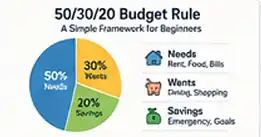
If you don’t yet have a simple tracking system, follow our complete beginner budgeting guide to see where your money is leaking and how to plug those holes.
Why People Fail to Stick to a Budget
Understanding why budgets fail is essential to building one that actually works. Most budgeting challenges come from avoidable mistakes that weaken consistency and reduce financial control.
Key Budgeting Mistakes to Avoid
- Setting unrealistic spending limits that are difficult to maintain
- Failing to track expenses and monitor spending patterns
- Ignoring small, frequent purchases that add up over time
- Not automating savings, leading to inconsistency
- Abandoning the budget after minor setbacks or mistakes
Addressing these common issues strengthens your budgeting system, improves financial discipline, and makes it significantly easier to stay consistent and achieve your financial goals.
Budgeting Tips to Help You Stick to a Budget
Effective budgeting is not about complexity; it’s about building a simple, consistent system that focuses on what truly impacts your financial results. Sustainable money management comes from habits you can maintain over time.
Proven Budgeting Tips for Long-Term Success
- Keep your budgeting system simple and easy to follow
- Focus on high-impact expenses that significantly affect your finances
- Automate savings and essential payments wherever possible
- Review your budget regularly to stay aligned with your goals
- Allow flexibility to adapt to changing financial situations
These practical habits strengthen financial discipline, improve consistency, and make it easier to stick to your budget while achieving long-term financial stability.
If your income is currently limited, consider increasing it with realistic side income ideas for beginners.
Budgeting Methods Comparison Table
| Method | Complexity | Best For | Beginner Friendly? |
|---|---|---|---|
| 50/30/20 Rule | Low | Balanced financial growth | Yes |
| Zero-Based Budgeting | High | Detailed expense control | Moderate |
| Envelope System | Medium | Overspending control | Yes (Cash users) |
For those who prefer more precision and control, zero-based budgeting assigns every dollar a specific purpose.
High monthly bills often lead to debt. If that’s your situation, visit our how to reduce debt and stop high interest payments eating your income.
If your income is tight, learn realistic ways to increase your income so you can improve your savings rate.
Beginner Budget Examples (Simple Breakdown)
Instead of focusing on perfect numbers, focus on staying within your limits. Consistency matters more than exact percentages.
Instead of monitoring 10 to 30 separate spending categories, your focus is simply to ensure each major bucket stays within its limit.
This idea provides clear financial discipline, manageable structure without suffocating.
If you're ready to start budgeting immediately, this all-in-one kit helps you organize your finances, track spending, and stay consistent without confusion.
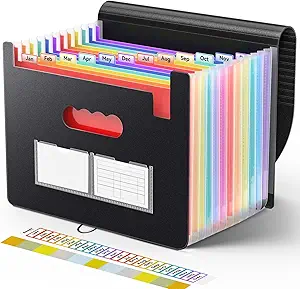
✔ Organizes income, bills & savings
✔ Beginner-friendly and structured
Learn More on SmartMoneyTrek
Explore our core financial guides:
- Save Money – proven ways to cut bills and build savings
- Budgeting – Tools and strategies to control your money
- Make Money – real side hustles and income ideas
- Loans & Debt – How to borrow wisely and eliminate debt
Frequently Asked Questions
Use a simple budgeting system, set clear spending limits, track your expenses regularly, and automate your savings. Consistency comes from making your budget easy to follow.
The 50/30/20 rule is one of the easiest methods. It divides your income into needs, wants, and savings, making it simple to manage without detailed tracking.
Most people fail because their budget is unrealistic, too complicated, or not regularly reviewed. A flexible and simple system is easier to maintain long-term.
Use strategies like setting spending limits, removing saved payment details, and waiting before making non-essential purchases. These habits reduce impulse spending.
Yes. Paying yourself first ensures your savings goals are met. Treat savings like a fixed expense and automate it whenever possible.
You should review your budget at least once a week. Regular check-ins help you adjust spending, stay on track, and avoid financial mistakes.
Final Thoughts: Build Consistency for Long-Term Financial Success
Sticking to a budget is not about perfection—it’s about consistency. Sustainable financial progress comes from applying simple, repeatable actions that keep your money aligned with your goals.
When you:
- Use a simple and realistic budgeting system
- Automate savings and essential financial commitments
- Control unnecessary spending and reduce waste
- Plan for unexpected and irregular expenses
Together, these create a structured, reliable financial system that works in real life.
Start simple, stay disciplined, and refine your approach over time. With consistency, budgeting evolves from a challenge into a powerful tool that gives you lasting financial control, stability, and long-term financial freedom.
Ready to Apply This Budgeting Method?
Learn how to create a simple monthly budget step by step and start organizing your income today. Create Your Monthly Budget
Your financial journey doesn’t need to begin with perfection. It simply needs to begin with consistency, because consistent action, over time, is what turns small steps into lasting progress.
This content is for educational purposes only and does not constitute financial advice.
This page may contain affiliate links. We may earn a commission at no extra cost to you.